


Which artificial plant suits a dark corner?.

In short
- Vanaf oktober halveert het binnenlicht, ook vlak bij het raam
- Donkere hoeken vragen om vorm en volume, niet om fijn blad
- Grote bladeren en een duidelijke silhouet werken het best zonder licht
In this article
From the start of October something changes in the house that you only notice if you pay attention. The sun comes in lower, the days get shorter, and the light reaching a plant halves within a few weeks. Two metres from the window that difference is even bigger than right beside it.
For a real houseplant, the hardest six months then begin. For the corner of your room nothing changes, except that it gets darker.
Why October is the turning point
In June the sun shines for more than sixteen hours a day in the Netherlands and stands high. By the end of October that is down to nine hours and it sits low, so the light comes in at a shallower angle and weaker. Add the switch to winter time and it is dark by five.
A plant then stops growing and lives off what it has. Leaves that drop do not come back until March, and sometimes not at all.
Past bij dit artikel
Direct de juiste plant.
Alles hieronder staat op voorraad in Heesch en gaat binnen 24 uur de deur uit.
- Nooit water geven
- Gratis verzending vanaf € 75
- Achteraf betalen
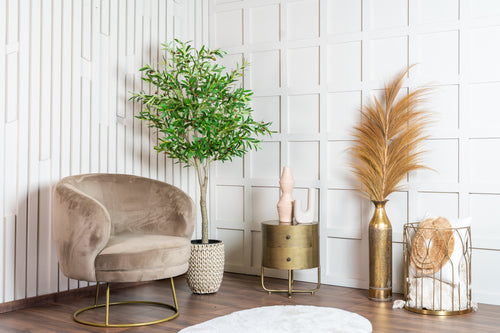
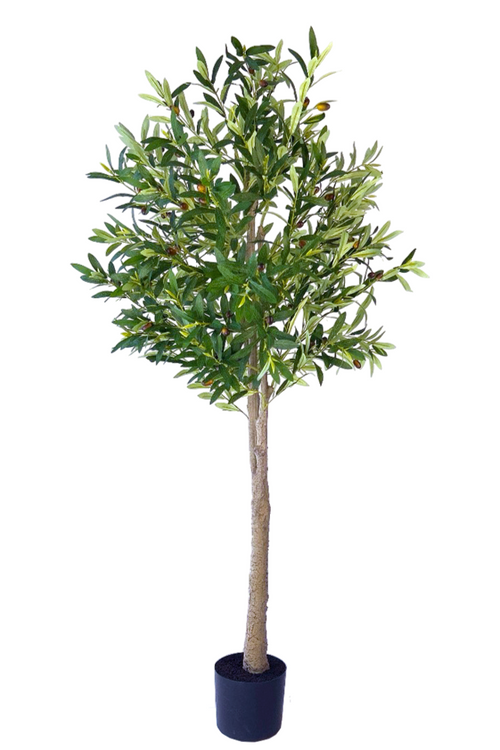
Artificial Olive tree 160 cm
93,35 excl. VAT
€112,95
incl. VAT
5
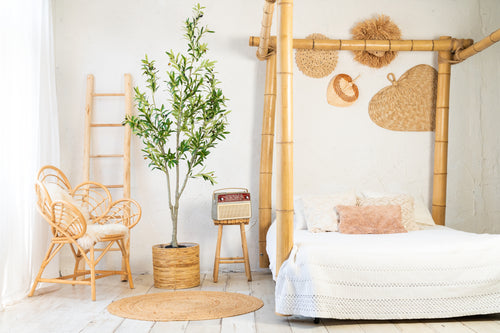
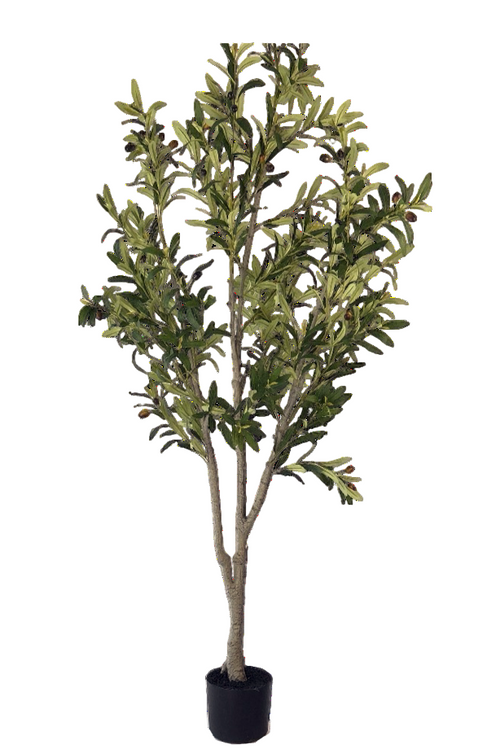
Artificial Olive tree 200 cm
91,69 excl. VAT
€110,95
incl. VAT
1
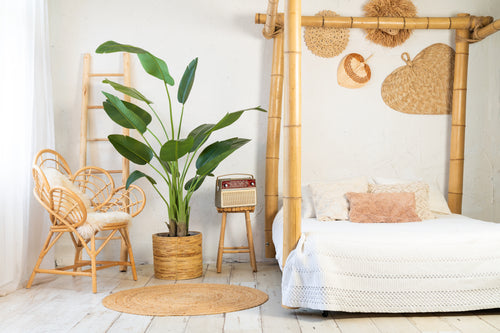

Artificial Strelitzia real touch 180 cm
78,51 excl. VAT
€95,00
incl. VAT
3
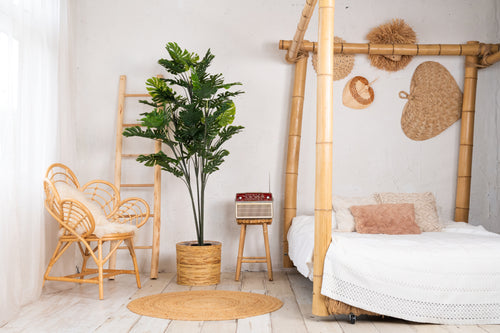

Artificial Monstera 180 cm - tropical South America
94,17 excl. VAT
€113,95
incl. VAT
3
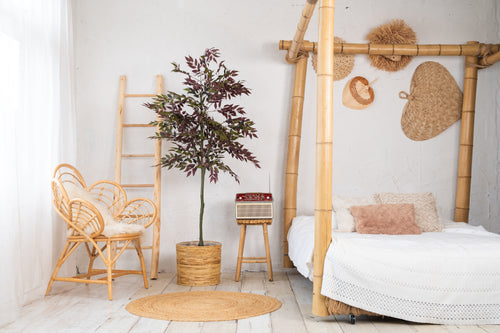
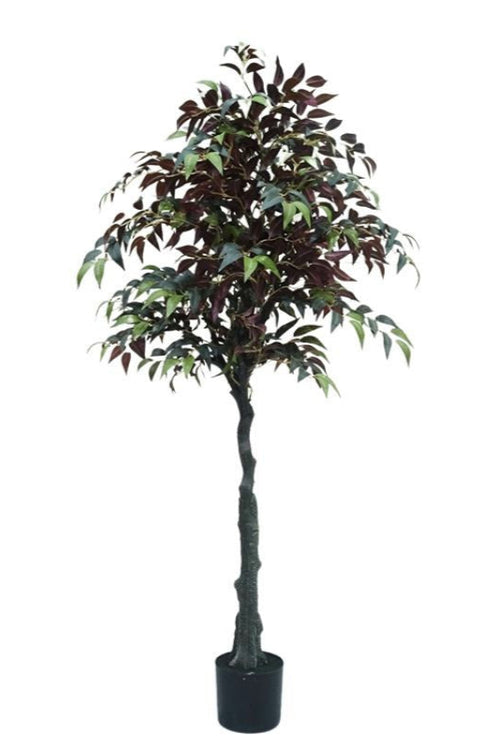
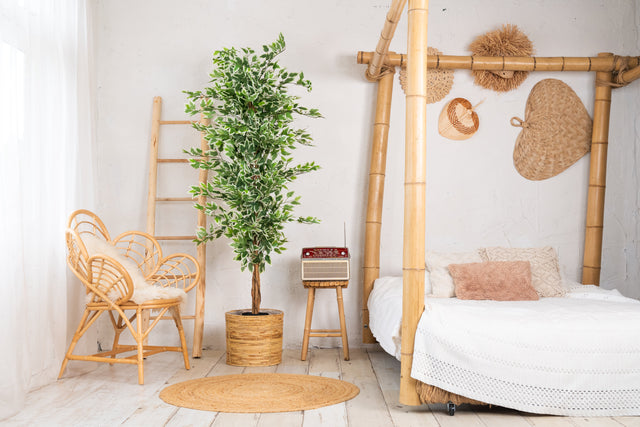
Artificial Ficus 150 cm
93,35 excl. VAT
€112,95
incl. VAT
2
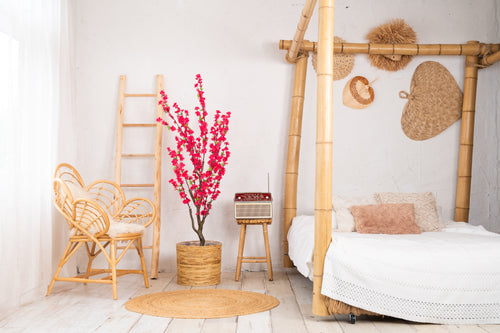
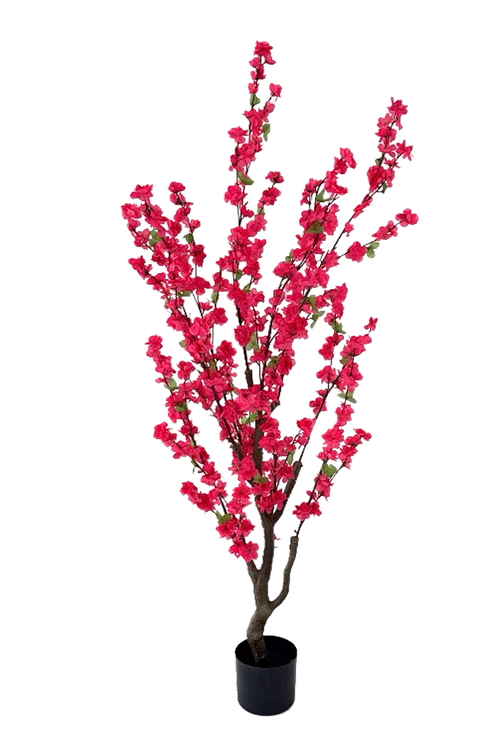
Artificial Blossom pink 150 cm
69,38 excl. VAT
€83,95
incl. VAT
7
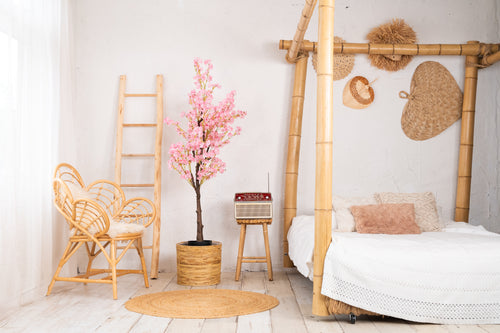
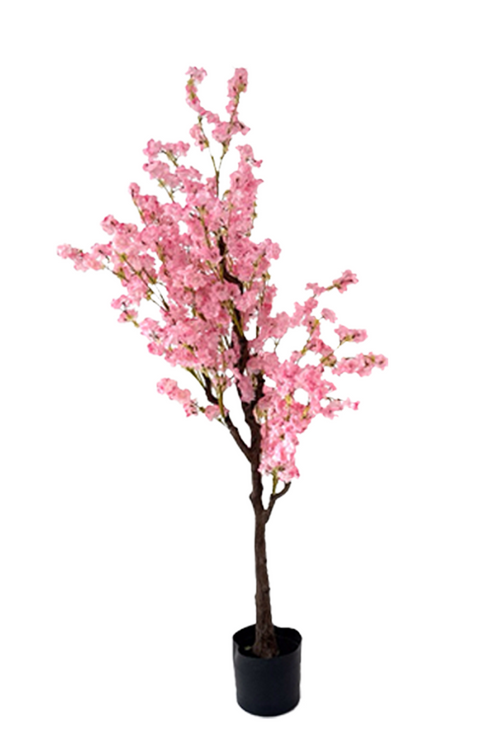
Artificial Blossom pink Deluxe 150 cm
69,38 excl. VAT
€83,95
incl. VAT
2
Artificial Philodendron 160 cm
82,60 excl. VAT
€99,95
incl. VAT
2
 -33%
Weekly deal
-33%
Weekly deal
Artificial Agave Deluxe 170 cm
89,21 excl. VAT
€107,95
incl. VAT€161,95
2

 -33%
Weekly deal
-33%
Weekly deal
Artificial Japanese Bamboo 180 cm
80,95 excl. VAT
€97,95
incl. VAT€146,95
4

 -33%
Weekly deal
-33%
Weekly deal
Artificial Ficus Deluxe 180 cm
87,56 excl. VAT
€105,95
incl. VAT€158,95
3

 -33%
Weekly deal
-33%
Weekly deal
Artificial green Ficus 140 cm
68,55 excl. VAT
€82,95
incl. VAT€123,95
1
Artificial Strelitzia real touch 180 cm
78,51 excl. VAT
€95,00
incl. VAT
3
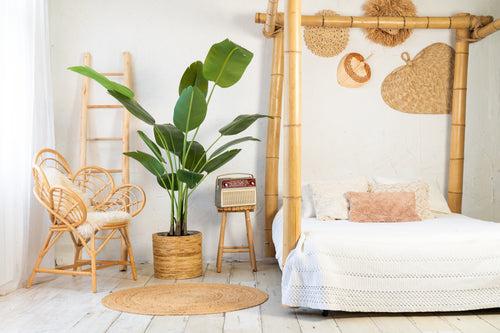
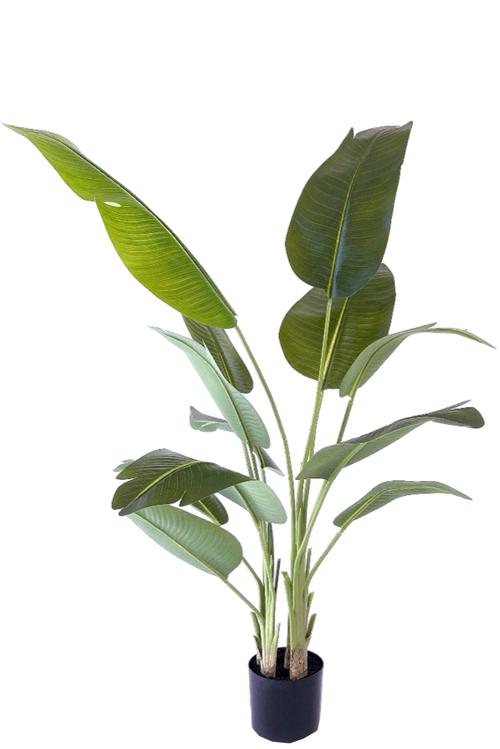
Artificial Strelitzia real touch 200 cm
90,08 excl. VAT
€109,00
incl. VAT
9
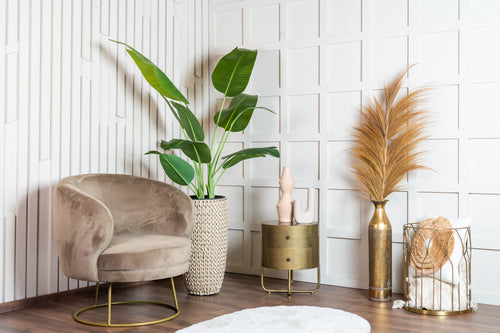
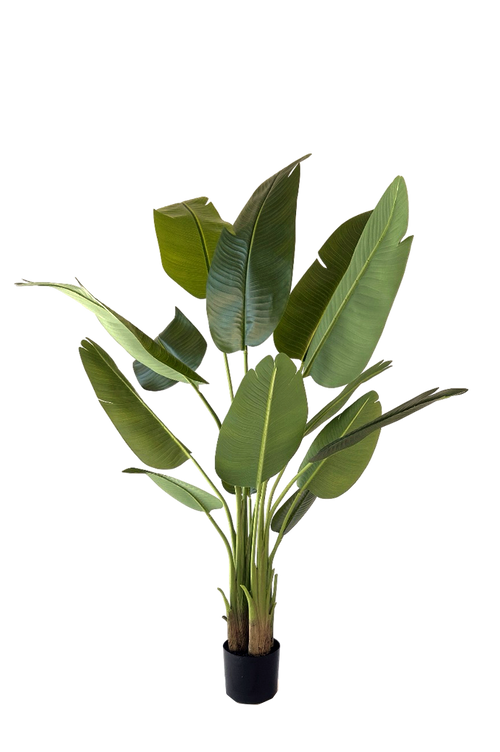
Artificial Strelitzia real touch 150 cm
70,24 excl. VAT
€84,99
incl. VAT
5
Artificial Olive tree 160 cm
93,35 excl. VAT
€112,95
incl. VAT
5
What does work in a dark corner
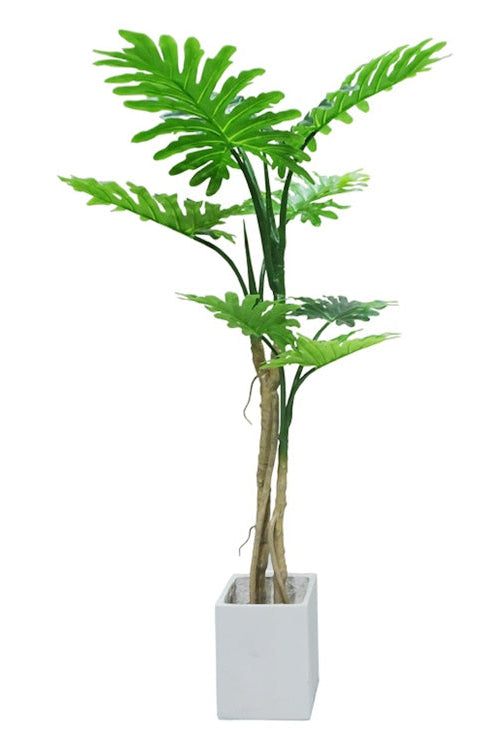
Without light, the fine texture of foliage is lost. What remains is the shape. That is why plants with large leaves or a clear silhouette work best in dark corners: a monstera, a strelitzia, a philodendron. Finely feathered foliage, like a fern's, disappears in the dark instead of standing out.
Our selection for dark spaces is made for exactly that.
Size does more than species
In a dark corner a small plant is a waste. Too little light falls on it for anyone to notice. A plant of 160 cm or taller fills the corner in a way that you see it without needing a lamp on it.
Do you want to strengthen the effect? Put a floor lamp beside it shining upwards at an angle. With a real plant that heat would be a problem; here it is not.
Three corners and what suits them
Beside the sofa, against a light wall: an olive tree or ficus of 160 to 180 cm. The narrow foliage keeps the corner airy.
In an alcove or between two cabinets: something narrow with height, such as bamboo. It fits into thirty centimetres of width and still rises above the top of the cabinet.
Behind a dining table: a monstera or philodendron with broad leaves, so the bare wall behind the table is filled.
What to watch when choosing
Do not look only at the plant but at the corner. Measure the width, measure the height to the ceiling or to a sloping roof, and look from the spot where you usually sit. Unsure about size? Go one step bigger: in a dark corner, too small always shows and too big almost never does.
 Vragen over kunstplanten? Kim helpt je graag: 085 060 4806
Also good to know.
Which artificial plant height fits your room?
From ceiling height to the right plant size, with the two-thirds rule, what a decorative pot adds on top and an overview of the sizes we carry.
Lees het hele antwoordWhy a 180 cm plant changes a room
Below 120 cm a plant is an accessory, above that it becomes furniture
Lees het hele artikelFive spots at home where a real plant does not survive
The hallway, the bathroom and the bedroom get too little daylight
Lees het hele artikelArtificial plants in the shop and the office
The spots in a commercial building where real plants structurally fail, what artificial plant upkeep actually costs, and what to watch for at larger volumes.
Lees het hele artikelOn holiday without a plant sitter
Why July and August are so hard on your houseplants, what you can still do before you leave, and the four spots at home where an artificial plant is simply the more sensible choice.
Lees het hele artikel
Still not sure
Let the stylist choose.
Vertel in een paar vragen waar de plant komt te staan en hoe groot hij mag zijn. Je krijgt een voorstel uit onze eigen collectie, geen algemene tips.
Read more.
Alle artikelen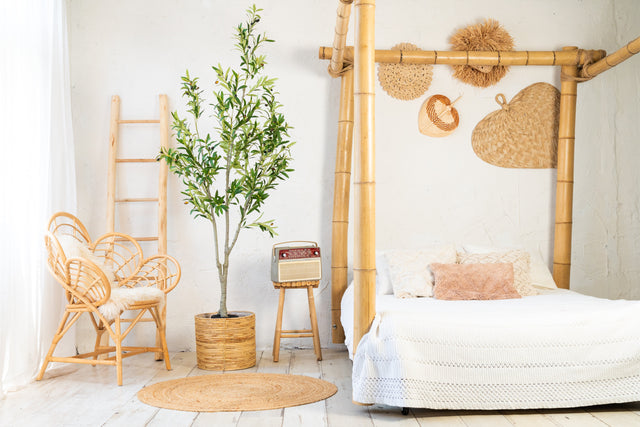
Pick a plant right away?
Free shipping from € 75, sent today
View
